 Save
Save When the air begins to carry that mellow hint of spring and daffodils peek up from the garden beds, I can't help but crave the kind of desserts that feel like an invitation to gather. This Easter spread first came together on a whim: carrot cake cooling on the windowsill while the tart sweetness of lemon curd simmered away, and a pavlova shell that crackled as it came out of the oven, filling the kitchen with pure anticipation. Sometimes, the best dessert tables are born from a sudden spark of inspiration and a crowded countertop. Each dessert here has a different personality, yet together they're the sort of showstoppers that get everyone leaning in. Whether you're baking for a full house or just hoping to make a quiet special day feel festive, this trio never fails to set the right mood.
The year I made all three desserts for Easter, my niece asked if the lemon tart was as sour as Grandma's jokes (it almost was). We cut thick slices of carrot cake while sharing stories, delicately spooned whipped cream onto the pavlova, and admired the jewel-like berries nestled on top. It was a day of laughter, powdered sugar clouds, and a messy row of forks abandoned in our dessert-induced joy.
Ingredients
- All-purpose flour: A dependable base for both cakes and tart crust; always fluff and sift for the best texture.
- Baking powder & baking soda: These make the carrot cake irresistibly tender and tall, don't skip either.
- Ground cinnamon, nutmeg, ginger: The secret trio that brings warmth to the carrot cake—fresh spices are worth the extra minute of grating.
- Granulated sugar & brown sugar: The balance of both makes the carrot cake flavorful and moist.
- Vegetable oil: Keeps the carrot cake moist for days; don't be tempted to use butter here.
- Eggs: Essential for structure in all three desserts; let them come to room temperature for easier mixing.
- Vanilla extract: Adds a comforting, aromatic note throughout.
- Grated carrots: The star of the carrot cake, always grate them fresh for the sweetest result.
- Walnuts or pecans, raisins (optional): For crunch or bursts of sweetness, but you can leave them out for allergies or personal taste.
- Cream cheese & unsalted butter: Must be room temperature for the smoothest frosting imaginable.
- Powdered sugar: Sift well to avoid any sneaky lumps in frostings and whipped cream.
- Egg whites: Clean, grease-free bowls are crucial for billowy pavlova meringue.
- Superfine sugar: Helps dissolve more quickly into the meringue, leaving it glossy, never gritty.
- White vinegar & cornstarch: Both help stabilize the pavlova and create that delicate marshmallowy center.
- Heavy cream: Whips best when cold; keep it in the fridge until the moment you need it.
- Fresh fruit (berries, kiwi, passion fruit): Choose vibrant, juicy fruit to crown the pavlova.
- Cold unsalted butter (lemon tart crust): Dice it ahead for easy blending into the tart dough.
- Egg yolk & ice water: Binds the tart crust together without making it tough—handle it gently.
- Lemon juice & zest: Always use fresh lemons for both juice and zest; your tart will sparkle with flavor.
Tired of Takeout? 🥡
Get 10 meals you can make faster than delivery arrives. Seriously.
One email. No spam. Unsubscribe anytime.
Instructions
- Prep and Preheat:
- Preheat your ovens: 350°F (175°C) for cake and tart, 250°F (120°C) for pavlova, and prepare all pans and parchment ahead so you can move smoothly between dishes.
- Carrot Cake Mixing:
- Whisk together all the dry cake ingredients, then in a bigger bowl, beat together sugars, oil, eggs, and vanilla—this batter smells like anticipation. Gently fold in the dry mix, then stir in fresh carrots, nuts, and raisins (if using); don't overmix or the cake will lose its signature fluff.
- Bake the Carrot Cake:
- Pour the batter into your prepared cake pans and slide them onto the center rack. Theyll emerge golden, aromatic, and slightly springy after about 25–30 minutes.
- Cream Cheese Frosting:
- While the cakes are cooling, combine room-temp cream cheese and butter, then add powdered sugar in batches; whip until it's cloudlike. Add vanilla and keep beating until silky—taste for sweetness along the way.
- Pavlova Meringue:
- In a spotless bowl, whip egg whites to soft peaks, then slowly rain in the superfine sugar until stiff peaks form. Blend in vinegar, cornstarch, and vanilla for that magic marshmallow center.
- Shape and Bake Pavlova:
- Heap the glossy mixture onto your parchment circle, swirling edges to make a nest. Bake until crisp on the outside and then let cool with the oven door cracked—it should sound gently crackly when tapped.
- Finish the Pavlova:
- Whip cold cream with sugar and vanilla just until thick; don't overdo it. Top the cooled meringue and artfully scatter fruit over the pillowy cream.
- Lemon Tart Crust:
- Quickly rub cold butter into flour, sugar, and salt, then bind the dough with egg yolk and just enough icy water to come together. Chill, then press into a pan, bake until pale gold, and let cool for a bit.
- Lemon Tart Filling:
- Whisk eggs, yolks, and sugar until pale, then stir in lemon juice and vibrant zest. Gently cook over medium heat, whisking, until thick—I always watch for little bubbles as my cue, then whisk in butter for a glossy finish before pouring into the crust to set in the fridge.
 Save
Save One Easter, the pavlova toppled over as I carried it to the table, and my uncle declared it 'abstract art.' We laughed so hard the tears rolled, and the crumbled meringue was just as delicious topped with cream and extra fruit. That was the moment this dessert became not just a centerpiece, but an ice-breaker too.
Decorating Your Dessert Table
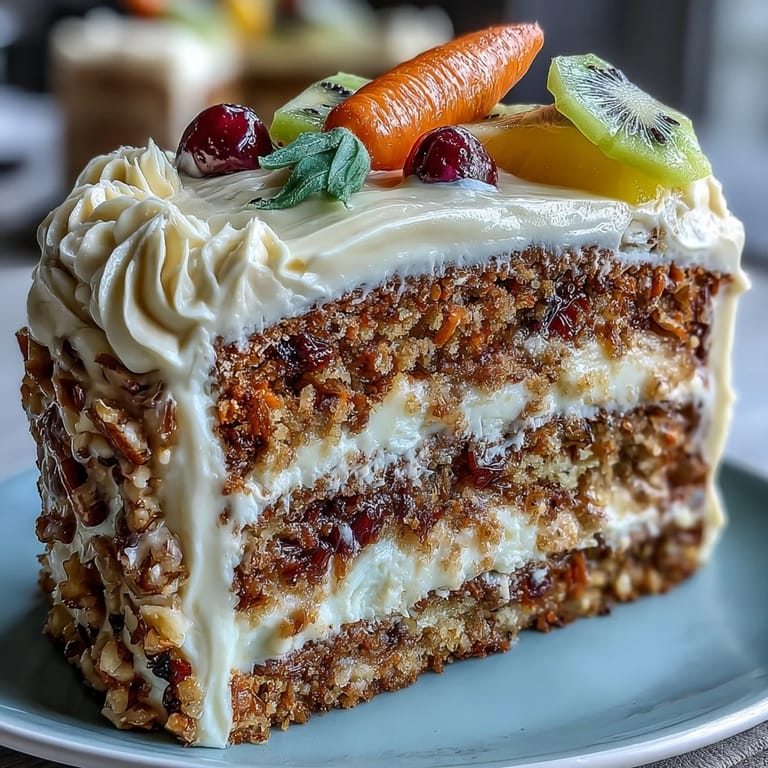
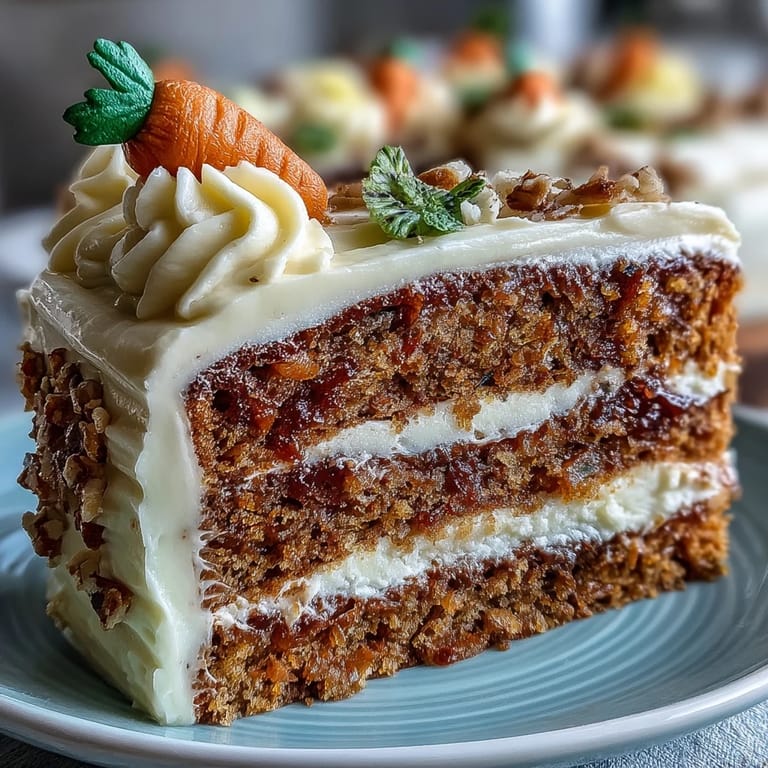
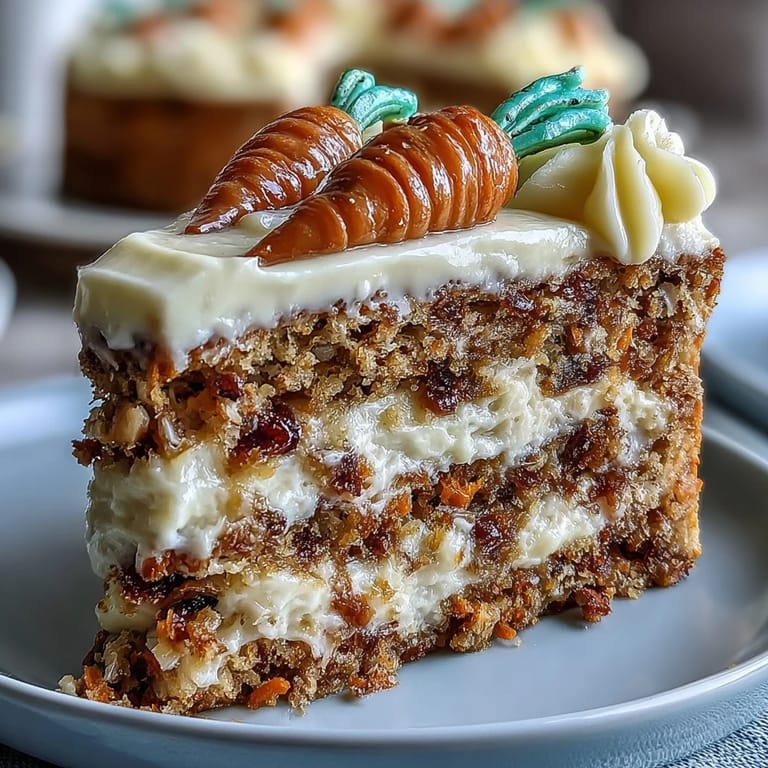
I love adding little touches to my Easter dessert table—a sprig of fresh mint near the berries, or marzipan carrots nestled on top of frosting. Sometimes I use a cake stand for the carrot cake and lay the lemon tart on a pale linen for contrast, making each treat feel a bit more special without much extra effort.
Making Ahead and Serving Tips
With a plan, you can prepare each dessert at your own pace. I often bake the cake layers and tart crust the day before, then whip the frosting and lemon curd the morning of the gathering. Pavlova works best when made just before guests arrive, so it stays crisp and dreamy.
Troubleshooting and Final Touches
If the meringue gets weepy or your tart filling cracks—a dusting of powdered sugar and a scatter of extra fruit covers a multitude of minor mishaps. Working quickly but calmly makes all the difference when juggling more than one dessert. You might just find yourself nibbling leftover scraps while finishing the last swirls of cream cheese frosting.
- Let all components fully cool before assembling or decorating.
- Wipe your mixer and bowls spotlessly dry before whipping egg whites.
- Have faith: even imperfect desserts vanish quickly when shared.
 Save
Save No matter how you decorate or serve these desserts, it's the sense of celebration in every slice and spoonful that brings people back for seconds. Have fun, and watch your Easter table transform into the happiest spot in the house.
Questions & Answers
- → How do I ensure a moist carrot cake?
Using oil rather than butter, grating carrots fresh, and not overmixing the batter help keep the cake moist and tender.
- → What tips help pavlova keep its crisp texture?
Bake the meringue slowly, then let it cool in the oven to prevent cracking and keep it crisp before topping with cream.
- → Can the lemon tart be made in advance?
Yes, both crust and filling can be prepared the day before. Chill the tart until ready to serve for best texture and flavor.
- → What fruits are best for pavlova?
Fresh berries like strawberries, raspberries, blueberries, or sliced kiwi pair perfectly for vibrant color and taste.
- → How do I decorate the desserts for a festive look?
Garnish carrot cake with marzipan carrots, crown pavlova with plenty of colorful fruit, and top lemon tart with lemon zest curls.