 Save
Save My grandmother's cast-iron skillet sits on my stove now, and every time I make cornbread in it, I'm transported to her kitchen on a Sunday afternoon when the smell of golden cornbread filled every corner of the house. She never measured anything precisely—just knew by feel and sound when the batter hit that screaming hot pan. The sizzle told her everything was right. Years later, I finally understood why she insisted on preheating the skillet: that initial contact between cold batter and hot iron creates something magical, a crispy exterior that no sheet pan could ever deliver.
I made this cornbread for a potluck last fall when a neighbor was moving away, and watching people tear into it with their eyes closed—that quiet moment of pure comfort—reminded me why certain dishes transcend recipes and become memories. Someone asked if I'd made it from scratch, and when I said yes, there was this surprised appreciation, like I'd given them something more valuable than just food.
Ingredients
- Yellow cornmeal: The heart of everything here—use stone-ground if you can find it, as it adds a subtly nutty flavor that box mixes can't match.
- All-purpose flour: Provides structure so the cornbread stays moist without becoming gummy.
- Granulated sugar: Just enough sweetness to balance the cornmeal's earthiness without making this taste like cake.
- Baking powder and baking soda: Work together to create a tender crumb and that light, airy rise.
- Fine salt: Always taste your salt before adding—some brands are saltier than others, and a pinch can mean the difference between balanced and oversalted.
- Whole milk: Creates richness; buttermilk adds tang and keeps things incredibly moist if you prefer that route.
- Eggs: Two large ones bind everything and contribute to that custardy interior texture.
- Melted butter and vegetable oil: The combination of both creates tenderness and flavor—don't skip the oil thinking butter alone will do.
- Honey butter: Softened butter beaten with honey until fluffy transforms this from good to unforgettable.
Tired of Takeout? 🥡
Get 10 meals you can make faster than delivery arrives. Seriously.
One email. No spam. Unsubscribe anytime.
Instructions
- Heat your skillet like you mean it:
- Preheat your oven to 425°F and place a 10-inch cast-iron skillet inside while you work. This takes about 10 minutes, but that searing heat is non-negotiable—it's what creates the golden, crispy edges that make cornbread worth eating.
- Combine your dry ingredients:
- Whisk together the cornmeal, flour, sugar, baking powder, baking soda, and salt in a large bowl. Do this slowly so nothing flies everywhere, and make sure the baking soda has no lumps hiding in the corners.
- Blend the wet mixture:
- In a separate bowl, whisk the milk, eggs, melted butter, and vegetable oil until they're completely incorporated and smooth. This step is quick but important—you want no streaks of egg white.
- Bring it all together gently:
- Pour the wet ingredients into the dry and stir just until combined, maybe 8 to 10 gentle folds with a rubber spatula. Overmixing develops gluten and toughens the cornbread—stop as soon as you don't see dry flour anymore.
- Toast the pan and pour:
- Carefully pull out that screaming hot skillet, add 2 tablespoons of butter, and swirl it quickly to coat every surface. The moment you hear it sizzle, pour in your batter and smooth the top with the back of your spatula.
- Bake until golden:
- Bake for 20 to 25 minutes until the top is deep golden and a toothpick inserted in the center comes out clean. The edges should smell like toasted corn and butter.
- Make the honey butter while it bakes:
- Beat softened butter with honey and a pinch of salt until fluffy and light—this takes about 2 minutes of gentle whisking. It should look almost cloud-like when you're done.
- Cool and serve:
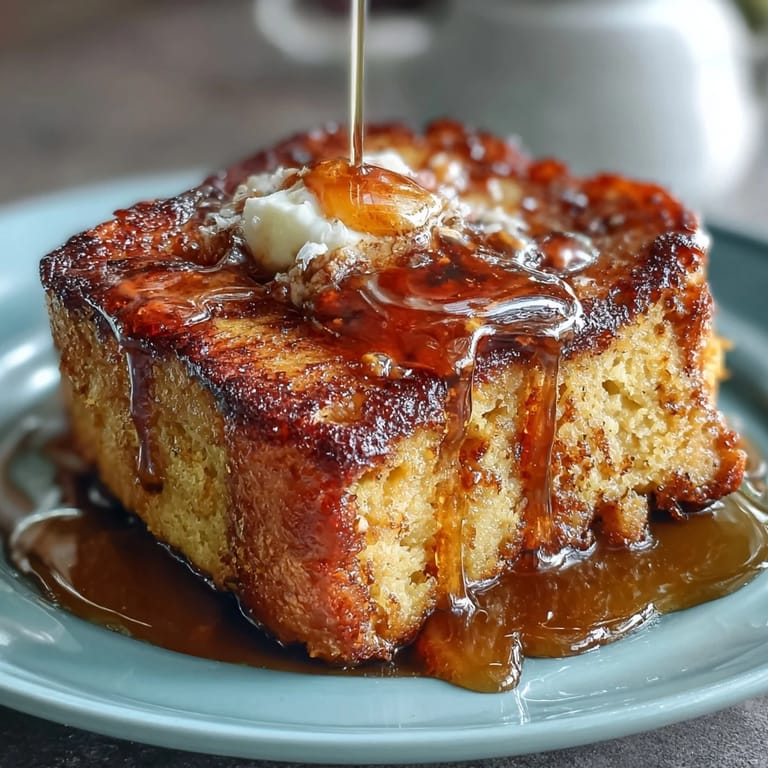
- Let the cornbread rest for 5 to 10 minutes so it sets without becoming dense. Slice it while it's still warm and watch the honey butter melt into every crevice.
 Save
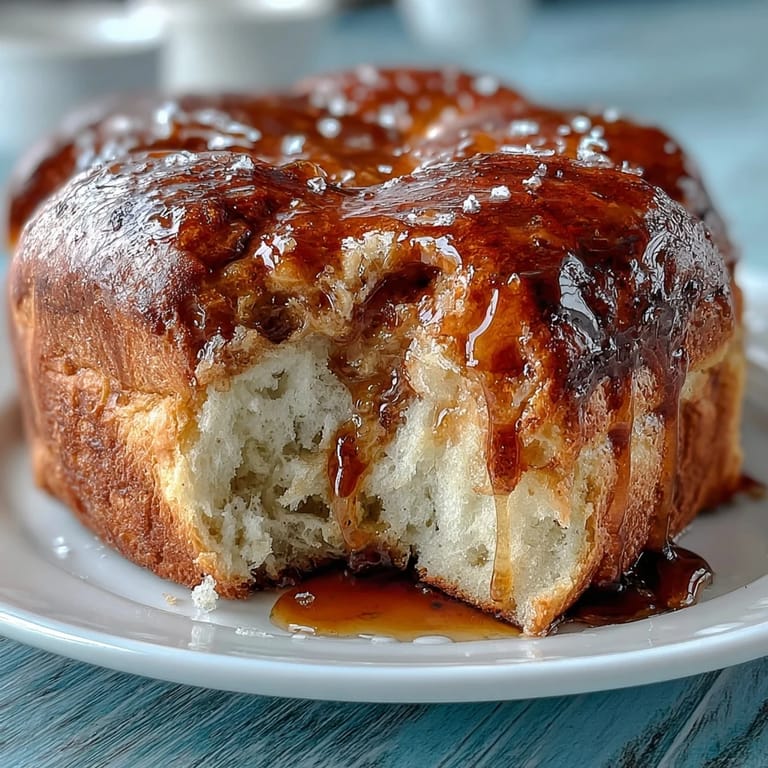
Save There's a moment, maybe a minute after you pour the batter into that hot skillet, when you hear the edges start to crisp and brown—that sound alone is worth making this recipe. It's the sound of comfort being created, of something ordinary becoming extraordinary through heat and time and a little bit of patience.
Why Cast-Iron Makes All the Difference
Regular baking pans are fine, sure, but they can't deliver that even, superior heat distribution that cast-iron has. The pan heats slowly and holds temperature like nothing else, which means your cornbread bakes evenly from bottom to top. Plus, there's something about using the same pan your grandmother used that connects you to a lineage of good cooking.
Variations That Actually Work
This base recipe is versatile enough to handle add-ins without falling apart. Fresh corn kernels add bursts of sweetness, sharp cheddar brings umami depth, and jalapeños create a subtle heat that surprises people in the best way. The key is not to overload it—one or two additions max, stirred in just before pouring into the skillet so they distribute evenly.
Storing and Serving Ideas
Cornbread tastes best served warm, but it keeps beautifully wrapped in foil for up to three days, and you can refresh it quickly in a 350°F oven for five minutes. It pairs with almost anything—barbecue, chili, fried chicken, greens, even breakfast scrambles if you're feeling playful.
- Wrap leftovers tightly in foil or store in an airtight container to keep the moisture in.
- Reheat gently in the oven rather than the microwave so it doesn't dry out.
- Crumble day-old cornbread into salads or over soups for unexpected texture and comfort.
 Save
Save This cornbread has a way of bringing people together, whether it's feeding a crowd or just treating yourself on a quiet Tuesday night. There's something deeply satisfying about golden, buttery cornbread with honey melting into every warm bite.
Questions & Answers
- → What type of skillet is best for baking this cornbread?
A 10-inch cast-iron skillet is ideal as it evenly distributes heat and creates a crispy crust.
- → Can buttermilk be used instead of whole milk?
Yes, substituting buttermilk adds a slight tang and increases moisture for a richer texture.
- → How do you make the honey butter topping?
Beat softened unsalted butter with honey and a pinch of salt until smooth and fluffy for a sweet, creamy spread.
- → What variations can enhance the cornbread?
Adding corn kernels, shredded cheddar, or chopped jalapeños provides extra flavor and texture to the batter.
- → How can I tell when the cornbread is fully baked?
It should turn golden on top and a toothpick inserted in the center comes out clean without batter.