 Save
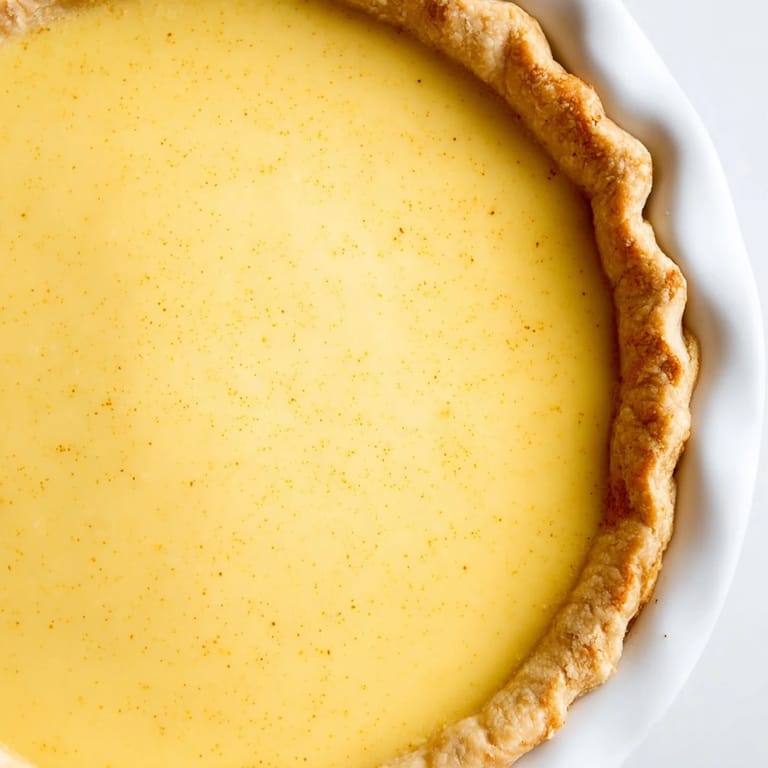
Save My grandmother kept a worn index card in her kitchen drawer with buttermilk pie written in fading pencil—no measurements, just a note that said "trust your instincts." I found it years later while helping her pack, and the first time I made it from memory, I realized the magic wasn't in precision but in that peculiar tangy custard that somehow becomes creamy, custardy, and almost too simple to believe. The filling rises and wobbles like something caught between cake and cream pie, and the kitchen fills with this gentle, nutmeg-warm smell that makes everyone stop what they're doing.
I made this for a potluck once when I was nervous about fitting in at a new job, and someone came back into the kitchen asking if I'd written down the recipe—turns out buttermilk pie had been their late mother's specialty. We ended up talking for twenty minutes about the difference between a good pie and a memorable one, and I've been making it ever since as a kind of quiet kindness.
Ingredients
- 1 unbaked 9-inch pie crust: Use store-bought if you're short on time, or make your own if you enjoy that buttery, flaky satisfaction—either way works beautifully.
- 1½ cups granulated sugar: This is what makes the filling sweet and gives it that distinctive texture as it bakes.
- 3 tablespoons all-purpose flour: It thickens the custard just enough so it doesn't run, but not so much that it becomes dense.
- ½ cup unsalted butter, melted and cooled: Let it cool slightly so it doesn't scramble the eggs—this step actually matters.
- 3 large eggs: They're the binder that turns everything into something creamy and dreamlike.
- 1 cup buttermilk: The star player—its tang cuts through the sweetness in the most unexpected, perfect way.
- 1 tablespoon lemon juice: Brightens the flavor without making it taste like lemon pie; it's whisper-quiet but essential.
- 1 teaspoon vanilla extract: Rounds out all the flavors so nothing feels sharp or one-note.
- ¼ teaspoon ground nutmeg: A pinch of warmth that nobody can quite identify but everyone notices.
- ¼ teaspoon salt: Brings everything into focus—don't skip it.
Tired of Takeout? 🥡
Get 10 meals you can make faster than delivery arrives. Seriously.
One email. No spam. Unsubscribe anytime.
Instructions
- Heat your oven to 350°F:
- Set it now so it's ready when you are—an even, moderate temperature keeps the filling from cracking or browning too fast.
- Settle the crust into the dish:
- Press it gently into the corners and crimp the edges however makes you happy, then take a breath; you're off to a good start.
- Whisk sugar and flour together:
- This combination prevents lumps and helps distribute the thickening power evenly through the filling.
- Fold in the cooled butter:
- Stir until it's completely mixed in and the texture looks like wet sand.
- Add eggs one at a time:
- Whisking each one in fully before adding the next keeps the mixture smooth and silky; rushing this makes scrambled egg flecks, which we want to avoid.
- Stir in buttermilk, lemon juice, vanilla, nutmeg, and salt:
- Mix until everything is completely combined and the filling looks like a pale, creamy custard.
- Pour the filling into the waiting crust:
- Go slowly so it settles evenly—you're about to create something wonderful.
- Bake for 40 to 50 minutes:
- The pie is done when the center still jiggles just slightly when you shake the dish gently, and the top is a light, even golden brown; overbaking makes it crack.
- Cool completely on a rack:
- Let it sit for hours if you can—this patience is what transforms it from hot custard into something sliceable and perfect.
 Save
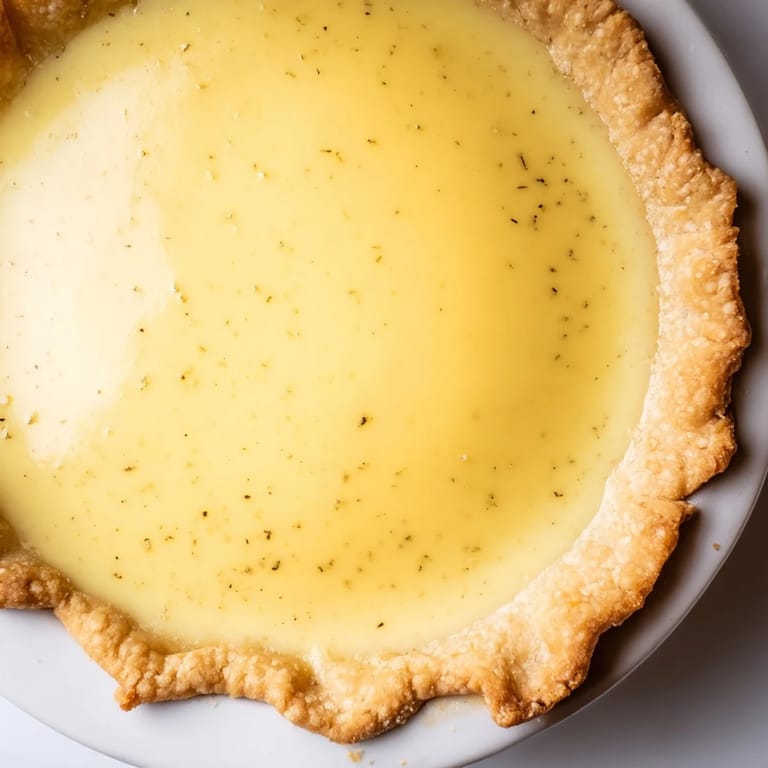
Save There's a moment when everyone takes the first bite and goes quiet for just a second—that's when you know you've gotten it right. It's one of those desserts that doesn't need anything, but a dollop of whipped cream or a handful of fresh berries makes it feel even more like a celebration.
The Untold Magic of Buttermilk
Buttermilk isn't just a sour addition—it's a flavor transformer. When it meets sugar and heat, something almost alchemical happens: the filling becomes simultaneously custardy and cakey, rich but not heavy, sweet but not cloying. This pie proves that sometimes the most memorable desserts come from understanding one ingredient deeply rather than piling on complications.
Serving and Storage Wisdom
This pie tastes wonderful at room temperature, which makes it perfect for gatherings where you don't want to fuss with reheating. It also chills beautifully in the refrigerator, developing a firmer texture that some people prefer—experiment and find your favorite way to eat it. Leftovers stay fresh for up to three days if you cover them loosely, though honestly, it rarely lasts that long.
Small Adjustments That Make a Difference
If you love tang, add up to two tablespoons more lemon juice—it won't break the recipe, just makes the flavor braver and more interesting. A little extra nutmeg sprinkled on top before baking fills the kitchen with an even warmer aroma and looks like you cared about the details. These small moves are how a good pie becomes the one people ask you to make again and again.
- Let the butter cool to room temperature before mixing; warm butter and eggs don't play well together.
- Don't skip crimping the crust edges—it's both practical and pretty, a small act of care that matters.
- If your pie crust comes frozen, thaw it first; a cold crust can cause the filling to bake unevenly.
 Save
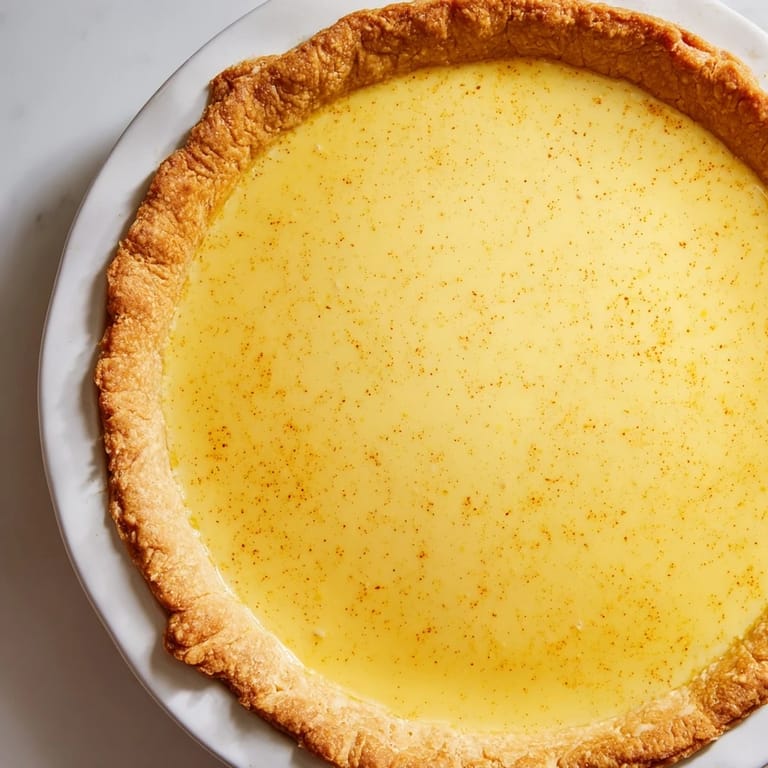
Save Buttermilk pie is proof that the best desserts don't need to be complicated—they just need to be made with attention and served with warmth. Make it for someone you care about, or make it for yourself on an ordinary Tuesday when you want to feel a little bit special.
Questions & Answers
- → What type of crust works best?
A 9-inch unbaked pie crust, either homemade or store-bought, creates a flaky base that complements the rich filling.
- → How can I add more tanginess?
Increase the lemon juice up to 2 tablespoons for a brighter, tangier flavor without overpowering the custard.
- → Can I enhance the aroma of the filling?
Sprinkling a bit more ground nutmeg on top before baking adds a warm, inviting fragrance.
- → How should the pie be served?
Let it cool completely on a wire rack, then serve at room temperature or chilled, optionally with whipped cream or fresh berries.
- → How long does it keep fresh?
Store any leftovers in the refrigerator for up to 3 days to maintain freshness and texture.