 Save
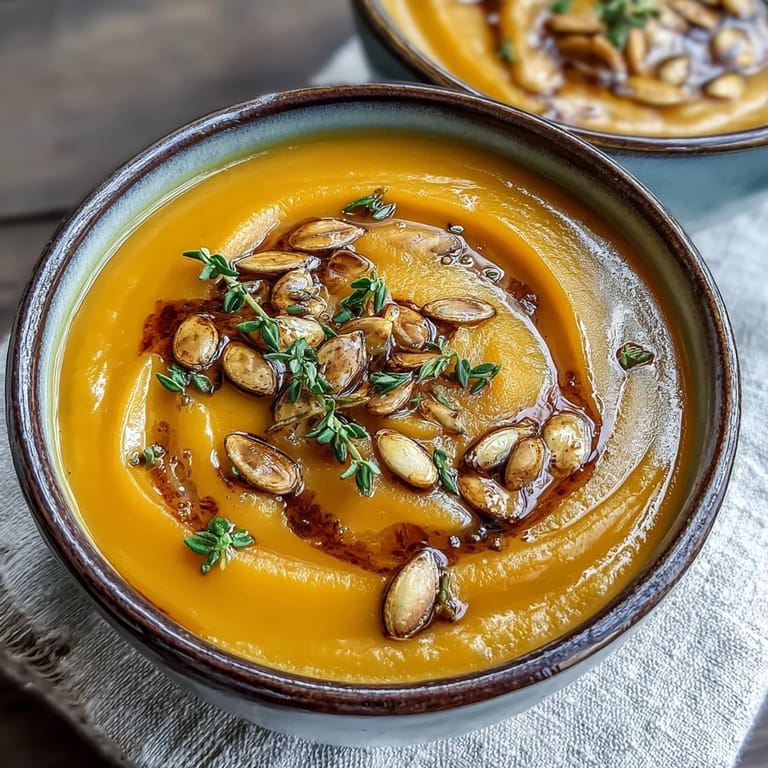
Save Wind rattled the kitchen windows last Tuesday and made me crave something thick and golden. I found a lone butternut squash sitting on my counter and decided to give it the royal treatment. The scent of roasting vegetables soon chased away the drafty chill from the hallway. By the time I swirled in the cream I knew this would be my new favorite comfort ritual. It turns out that a little maple syrup is the secret to making a simple squash feel like a celebration.
One chilly afternoon my cousin accidentally bumped the container of nutmeg while I was prepping this and a huge cloud of spice filled the air. We laughed for ten minutes while sneezing but that extra hint of spice ended up making the soup better than ever. Now I always add just a tiny bit more than the recipe calls for to recapture that accidental magic. It has become a tradition to recount that story every time the blender starts humming. Sharing a hot bowl of this always brings back the sound of that laughter.
Ingredients
- Butternut Squash: Look for a heavy squash with matte skin because that usually indicates it is ripe and full of natural sugars.
- Yellow Onion: This provides the savory backbone that keeps the soup from feeling like a dessert.
- Garlic: Freshly minced cloves offer a sharp contrast to the creamy texture of the blended squash.
- Vegetable Broth: A high quality broth makes all the difference in the final depth of the liquid.
- Water: Sometimes a little plain water is needed to let the vegetable flavors shine without being overpowered by salt.
- Coconut Milk or Heavy Cream: This is the secret to that velvety mouthfeel that coats your spoon perfectly.
- Pure Maple Syrup: Grade A syrup adds a complex sweetness that refined sugar simply cannot replicate.
- Nutmeg: This warm spice connects all the flavors and provides that signature autumn aroma.
- Cinnamon: Just a touch of cinnamon makes the kitchen smell like a bakery while the soup simmers.
- Olive Oil: Using a good oil for roasting ensures the squash cubes get those beautiful caramelized edges.
- Salt and Freshly Ground Black Pepper: Always season in stages to build a layered flavor profile from start to finish.
Tired of Takeout? 🥡
Get 10 meals you can make faster than delivery arrives. Seriously.
One email. No spam. Unsubscribe anytime.
Instructions
- Prepare and roast the squash:
- Toss your cubes with oil and seasoning on a baking sheet until every piece is glistening. Roast them at 400 degrees until the edges are golden brown and the centers are soft.
- Sauté the aromatics:
- Cook your onions in a large pot until they turn translucent and smell sweet. Stir in the garlic for just a minute to release its oils without letting it burn.
- Combine and simmer:
- Add the roasted squash and liquid ingredients into the pot along with your spices. Let everything bubble together gently so the flavors have time to introduce themselves.
- Blend until velvety:
- Use an immersion blender directly in the pot to transform the chunky mixture into a silken liquid. If you use a countertop blender be careful to work in small batches to avoid steam pressure.
- Finish and garnish:
- Stir in your coconut milk or cream until the color lightens to a beautiful soft orange. Ladle the soup into bowls and top with crunchy seeds and an extra drizzle of syrup.
 Save
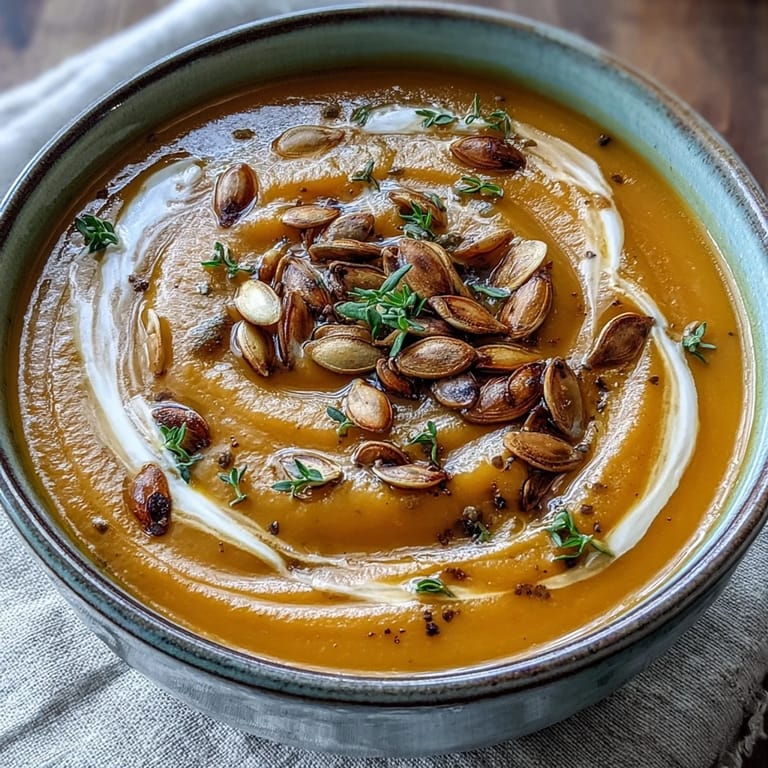
Save Last winter I brought a thermos of this soup on a snowy hike with my best friend. We sat on a fallen log and watched the flakes fall while drinking the warm liquid straight from mugs. It was the simplest meal we had all year but the combination of the cold air and the hot spiced soup made it unforgettable. This dish has a way of turning a quiet moment into a core memory. I never leave home without a container of it when the temperature drops below freezing.
Choosing the Right Squash
I used to grab the first squash I saw at the market until a farmer told me to look for the ones with the longest necks. The neck is solid flesh while the bulbous bottom holds all the seeds and stringy bits. Choosing a long necked squash saves you so much time during the peeling and cubing process. It also ensures you have more consistent pieces for roasting which leads to even caramelization. A matte skin rather than a shiny one is your best bet for the sweetest interior.
The Blender Technique
If you want that professional glossy finish you have to be patient during the blending phase. I once rushed it and ended up with tiny lumps of squash that ruined the velvety experience. Keep the immersion blender submerged at an angle to create a vortex that pulls everything through the blades. This technique incorporates a bit of air and makes the soup feel lighter on the tongue. Be sure to stop and stir occasionally to check for any stubborn pieces hiding at the bottom.
Customizing Your Bowl
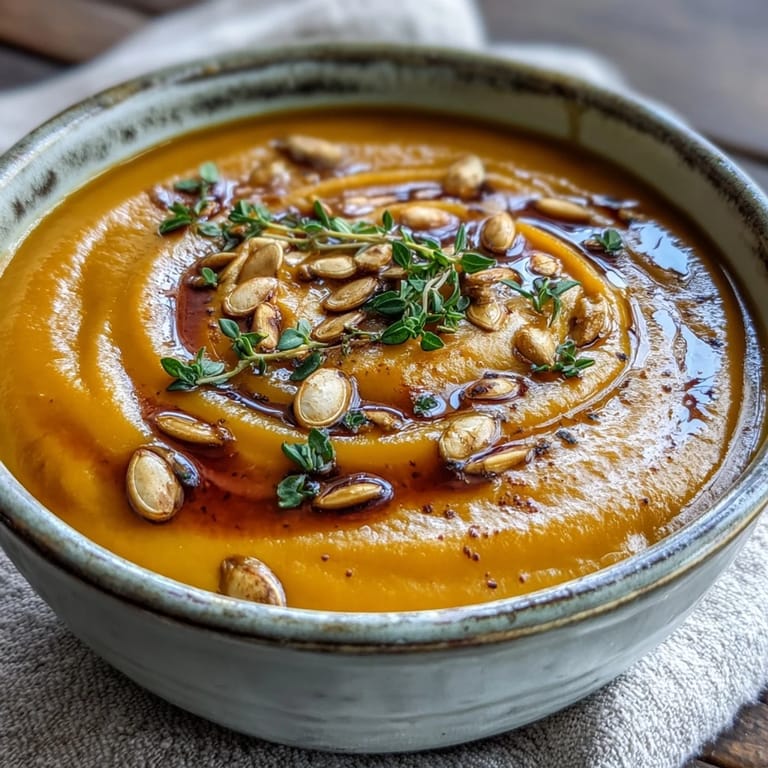
Part of the fun is how you dress up the soup once it is in the bowl. I love playing with textures like crunchy seeds or soft herbs to keep every bite interesting. Here are a few ways I like to finish things off before serving.
- Toasted pumpkin seeds add a necessary crunch that breaks up the creaminess.
- A tiny drizzle of extra maple syrup on top looks beautiful and tastes even better.
- Fresh thyme leaves provide a bright herbal note that cuts through the richness of the cream.
 Save
Save This soup is more than a meal it is a cozy blanket for your soul. I hope every spoonful brings you as much peace as it brings me on a cold day.
Questions & Answers
- → Can I make this soup ahead of time?
Absolutely. This soup actually tastes better the next day as flavors have time to meld together. Store in an airtight container in the refrigerator for up to 4 days. Reheat gently over low heat, adding a splash of broth or water if needed to adjust consistency.
- → Is freezing possible?
Yes, freeze cooled portions in freezer-safe containers for up to 3 months. Thaw overnight in the refrigerator before reheating. The coconut milk version freezes particularly well without separation.
- → What can I substitute for maple syrup?
Honey or agave nectar work beautifully as alternatives. If you prefer less sweetness, reduce the sweetener to 1 tablespoon or omit entirely—the roasted squash provides plenty of natural sweetness on its own.
- → Can I use frozen squash cubes?
Frozen butternut squash works in a pinch, though fresh roasted squash yields superior caramelization. If using frozen, thaw and drain excess moisture before roasting, or add 5-10 minutes to roasting time.
- → How do I adjust the consistency?
For a thicker soup, reduce the water or broth by up to half a cup. For a thinner version, add more liquid until reaching your desired texture. The soup will continue to thicken as it stands, so factor this in when seasoning.
- → What protein pairs well with this soup?
Grilled chicken, roasted chickpeas, or toasted pumpkin seeds add satisfying protein. The soup also serves as a perfect starter alongside crusty bread and a simple green salad for a complete meal.