 Save
Save My friend texted me one Tuesday asking if I knew how to make Alfredo without cream, and honestly, I almost laughed. But then she mentioned she was tired of feeling sluggish after heavy pasta dinners, and something clicked. I started experimenting with cauliflower that week, blending it into this silky sauce that tasted indulgent but felt light, and when she tasted it, she went quiet for a moment before saying it was better than the restaurant version. That's when I realized this wasn't about substitution at all—it was about discovering something genuinely better.
I made this for my book club last month, and the funniest part was watching everyone guess what was in the sauce. One person insisted it had cream, another swore there was Béchamel involved, and when I told them it was mostly cauliflower, someone actually gasped. That moment—when familiar food surprises you because you weren't expecting the truth—felt like a small win in the kitchen.
Ingredients
- Cauliflower florets, 1 medium head (about 700 g): This is your base, so choose a head with tightly packed florets and no brown spots—they blend into that luxurious texture you're after.
- Garlic, 3 cloves: Boiling the garlic mellows its bite, so it becomes sweet and subtle rather than sharp.
- Yellow onion, 1 small, chopped: The onion dissolves completely during cooking, adding depth without any chunks.
- Unsalted butter, 2 tablespoons: This gives the sauce richness and helps emulsify everything into silk.
- Parmesan cheese, 1/3 cup grated: Use freshly grated if possible—the pre-shredded stuff has anti-caking agents that can make the sauce grainy.
- Milk, 1/2 cup (dairy or plant-based): Start with this amount and adjust—you control the thickness, so taste as you go.
- Fettuccine or linguine, 350 g: These flat noodles catch the sauce beautifully, though any pasta shape works.
- Salt and black pepper: Taste matters more than measurements here.
- Ground nutmeg, pinch: Optional, but it's the secret whisper that makes people ask what you did differently.
- Fresh parsley for garnish: A small sprinkle brightens everything right before serving.
Tired of Takeout? 🥡
Get 10 meals you can make faster than delivery arrives. Seriously.
One email. No spam. Unsubscribe anytime.
Instructions
- Boil your vegetables until they surrender:
- Get your salted water rolling, then add cauliflower, garlic, and onion together. You'll know they're ready when the cauliflower breaks apart if you press it with a spoon—usually 8 to 10 minutes. Listen for the gentle bubbling sound that means your sauce is getting ready to happen.
- Transfer carefully to your blender:
- Use a slotted spoon to fish out the hot vegetables, leaving the cooking water behind for now. You'll need that water later, so don't discard it.
- Blend until completely smooth:
- Add the butter, Parmesan, milk, salt, pepper, and that tiny pinch of nutmeg if you're feeling it. Blend until there are absolutely no flecks—this is where the magic happens, and the texture should feel almost velvety. If it seems too thick, add a splash of that reserved cooking water and blend again.
- Cook your pasta in the same pot:
- Follow the package timing but aim for al dente—that slight firmness when you bite it. Before draining, scoop out about 1 cup of starchy pasta water into a measuring cup or mug.
- Bring everything together:
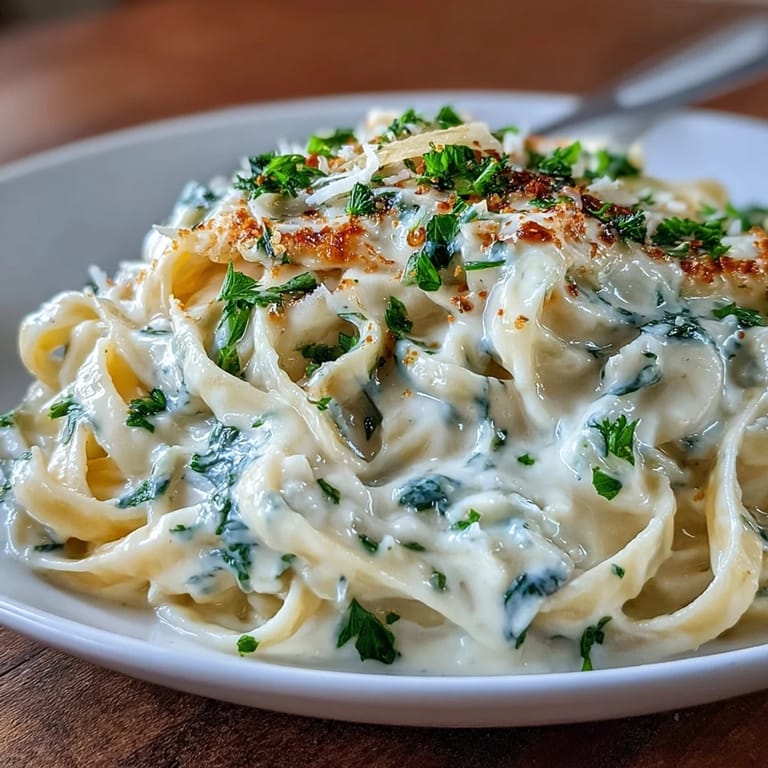
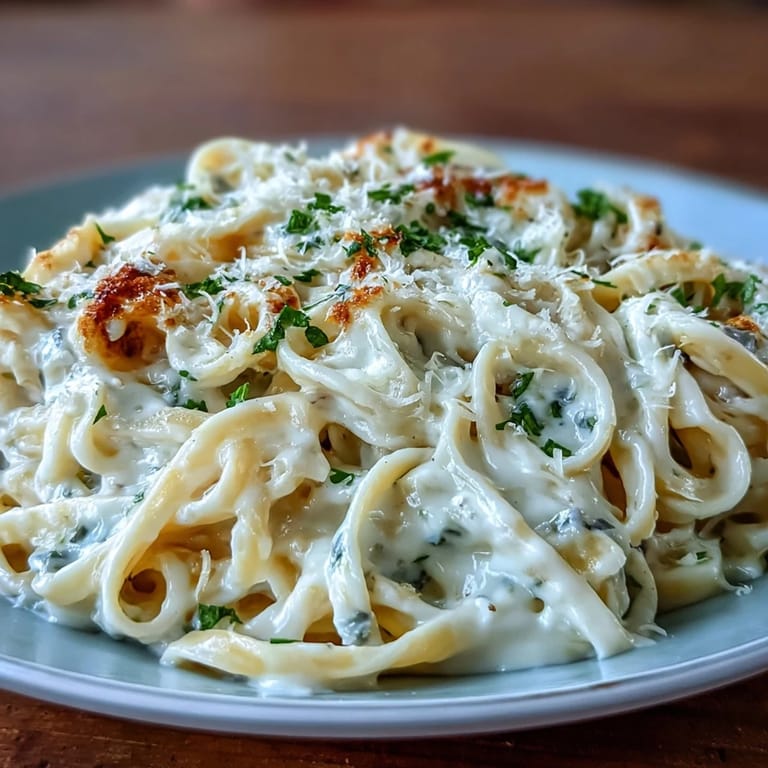
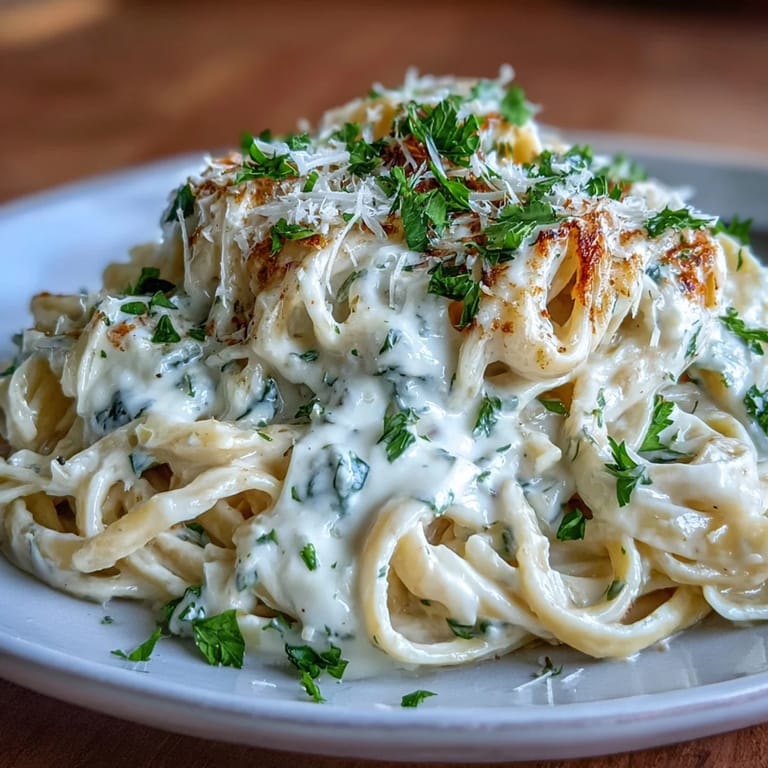
- Return the drained pasta to the pot, pour your golden cauliflower sauce over it, and toss gently. The sauce should coat every strand; if it looks too thick, add some pasta water a little at a time until it feels right.
- Taste and adjust:
- This is your moment to make it yours—more salt, more pepper, another whisper of nutmeg. Serve immediately while everything's hot, with a scatter of parsley and extra Parmesan if you want.
 Save
Save My neighbor brought over her seven-year-old one evening, and he was skeptical about cauliflower until he tasted this. He asked for seconds without knowing what he was eating, and that's when I understood that good food doesn't need apologies or explanations—it just needs to taste like something you'd choose again.
Why This Sauce Works
Cauliflower has this magical property where it breaks down into something almost custard-like when blended hot. The starch in the cooking water, combined with the Parmesan and butter, creates an emulsion that feels like cream without actually being heavy. It's one of those moments where understanding the why makes you confident enough to experiment with your own tweaks.
Making It Your Own
The base recipe is forgiving, which means you can play. Some nights I add sautéed mushrooms for earthiness, other times I blend in a handful of steamed broccoli if I want even more vegetables hidden in plain sight. I've also made it with white wine instead of milk, and the sauce took on this slightly tangy character that felt elegant.
Storage and Reheating
This dish is best eaten fresh, but leftovers keep in the fridge for about two days. When you reheat, the sauce might seem tight—just add a splash of milk or water and warm gently on the stovetop, stirring often so nothing sticks. It never reheats quite as silky as the first time, so honestly, I usually eat it all the night I make it.
- Fresh pasta cooks faster than dried, so adjust your timing if you're using it.
- If you're dairy-free, nutritional yeast brings that savory Parmesan-like depth.
- A wooden spoon is your friend when tossing—it's gentler on delicate noodles.
 Save
Save This recipe taught me that comfort food doesn't have to mean compromise, and that sometimes the lightest meals are the ones that stay with you longest. Make it once, and you'll probably find yourself making it again.
Questions & Answers
- → What does cauliflower Alfredo taste like?
The cauliflower creates a surprisingly neutral and creamy base that lets the garlic, Parmesan, and butter shine through. Most people cannot tell the difference between this and traditional cream-based Alfredo sauce.
- → Can I make this ahead of time?
Yes, prepare the sauce up to 2 days in advance and store it in the refrigerator. Reheat gently with a splash of milk or pasta water before tossing with freshly cooked pasta.
- → How do I get the sauce really smooth?
Blend the cooked cauliflower mixture for at least 2-3 minutes on high speed. If you have a high-powered blender, the sauce will become incredibly silky. Add pasta water one tablespoon at a time if it's too thick.
- → What pasta works best with this sauce?
Fettuccine and linguine are classic choices because their flat surfaces hold the sauce beautifully. However, penne, rigatoni, or even spaghetti work wonderfully with this creamy preparation.
- → Is this suitable for meal prep?
Absolutely. The sauce actually tastes better the next day as flavors meld. Store pasta and sauce separately if possible, or toss together and reheat with extra liquid to restore creaminess.
- → Can I freeze cauliflower Alfredo sauce?
Yes, freeze the sauce in airtight containers for up to 3 months. Thaw overnight in the refrigerator, then reheat gently while whisking. The texture may thin slightly—simmer a few minutes to thicken back up.