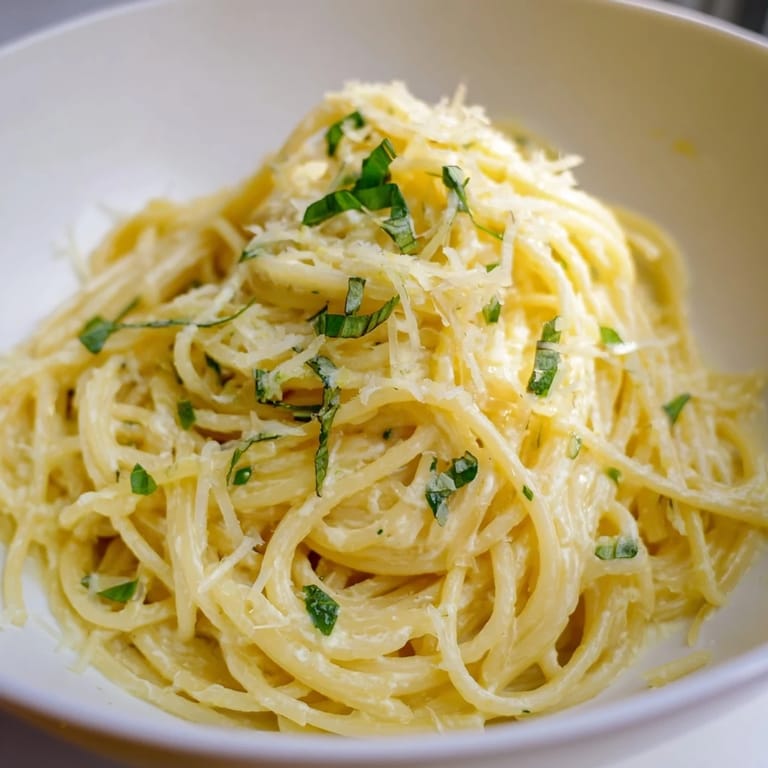
 Save
Save My roommate once walked into the kitchen while I was grating lemon over a bowl of ricotta and said it smelled like summer in Italy, even though neither of us had ever been. That night we ate this pasta straight from the pot, standing at the counter with forks in hand, and I knew I'd stumbled onto something worth keeping. It's become my go-to whenever I need something comforting but light, something that feels special without any fuss. The creamy ricotta clings to every strand of spaghetti, and the lemon cuts through with just enough brightness to wake up your taste buds. It's the kind of dish that makes you feel like a better cook than you actually are.
I made this for my sister the night before she moved across the country, and we sat on the floor of her empty apartment with bowls in our laps, laughing about nothing in particular. She told me later that she tried to recreate it in her new kitchen but forgot the lemon zest, and it just wasn't the same. Now every time I make it, I think about that night and how food has a way of marking moments you didn't know you'd want to remember. It's funny how a simple pasta can carry so much weight.
Ingredients
- Spaghetti: The thin strands are perfect for catching the creamy sauce in every twirl, and cooking it just to al dente gives you that satisfying bite.
- Ricotta cheese: Whole-milk ricotta is worth seeking out because it's richer and creamier, making the sauce feel indulgent without being heavy.
- Lemon: Both the zest and juice are essential, the zest brings aromatic oils and the juice adds that bright, tangy punch that balances the richness.
- Parmesan cheese: Freshly grated is key here, the pre-shredded stuff doesn't melt into the sauce the same way and can taste a little dusty.
- Olive oil: A good extra-virgin olive oil adds a fruity, peppery note that rounds out the sauce beautifully.
- Garlic: Just a small clove, finely grated, so it melts into the ricotta without overpowering the delicate lemon flavor.
- Fresh herbs: Basil or parsley both work, I like basil in summer and parsley in winter, but either adds a fresh, green finish.
Tired of Takeout? 🥡
Get 10 meals you can make faster than delivery arrives. Seriously.
One email. No spam. Unsubscribe anytime.
Instructions
- Boil the pasta:
- Bring a large pot of water to a rolling boil, salt it generously (it should taste like the sea), and cook the spaghetti until it still has a slight firmness in the center. Don't forget to scoop out half a cup of that starchy pasta water before you drain, it's the secret to a silky sauce.
- Make the ricotta-lemon sauce:
- In a big mixing bowl, whisk together the ricotta, lemon zest, lemon juice, Parmesan, olive oil, garlic, pepper, and salt until it's smooth and looks almost like a thick cream. The ricotta should lose its graininess and become luxurious.
- Toss the pasta:
- Add the hot drained spaghetti directly into the bowl with the sauce and toss it all together with tongs, adding splashes of reserved pasta water until the sauce loosens and coats every strand like a glossy ribbon. The heat from the pasta will warm the sauce and help everything come together.
- Serve:
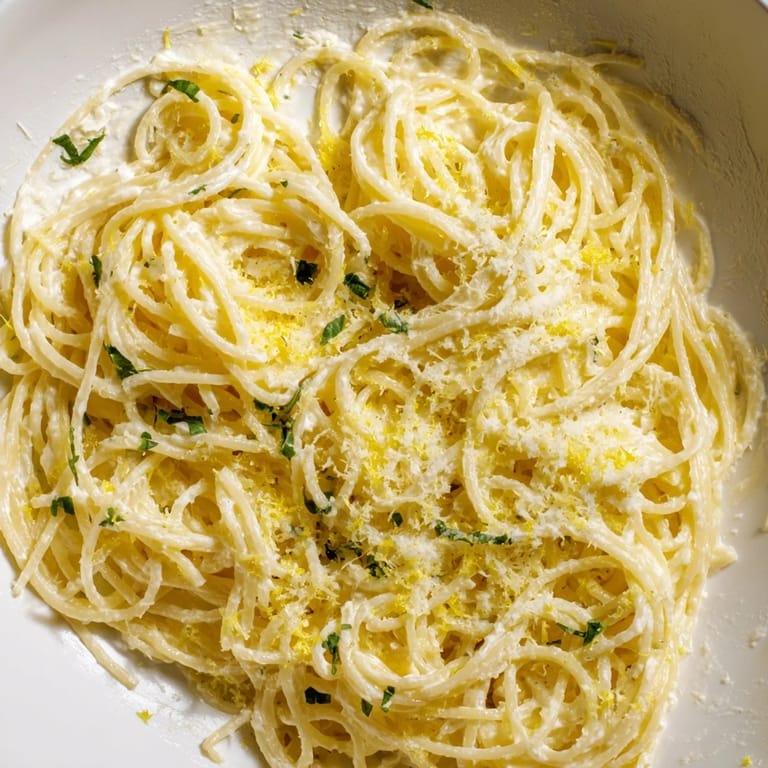
- Divide the pasta among bowls and top each with extra Parmesan, a sprinkle of fresh herbs, more lemon zest, and a few grinds of black pepper. Serve it right away while it's still steaming and creamy.
 Save
Save There was a Sunday afternoon when I doubled this recipe for a small gathering, and I watched everyone go quiet as they took their first bites, the kind of quiet that only happens when food is really good. Someone asked if I'd trained in Italy, and I laughed because the truth is I learned this from trial and error in my tiny kitchen with a hand-me-down pot. That's what I love about this dish, it doesn't need a pedigree or fancy technique, just good ingredients and a little attention.
Make It Your Own
This pasta is a wonderful blank canvas for whatever you have on hand or whatever the season offers. I've stirred in sautéed spinach when I needed more greens, tossed in blanched asparagus in the spring, and folded in sweet peas that pop against the creamy sauce. Sometimes I add a spoonful of mascarpone or a splash of heavy cream to make it even richer, almost decadent. If you like a little heat, a pinch of red pepper flakes in the ricotta mixture adds a gentle warmth without stealing the spotlight from the lemon.
Pairing and Serving
This pasta shines brightest when you keep the sides simple, maybe a crisp green salad with a light vinaigrette or some crusty bread to mop up any leftover sauce. I've served it with a chilled Sauvignon Blanc on warm evenings, and the citrus notes in the wine echo the lemon in the pasta beautifully. On cooler nights, a Pinot Grigio works just as well, clean and refreshing without competing with the delicate flavors. It's also lovely on its own as a light lunch, especially if you're eating outside with the sun streaming in.
Storage and Reheating
I'll be honest, this pasta is best eaten fresh, right when the sauce is still creamy and clinging to the noodles. If you do have leftovers, store them in an airtight container in the fridge for up to two days, but know that the ricotta sauce will thicken and lose some of its silkiness. When you reheat it, add a splash of milk or pasta water and warm it gently in a skillet over low heat, stirring constantly to bring back some of that creaminess.
- Avoid microwaving if you can, it tends to make the sauce separate and the pasta rubbery.
- You can prep the ricotta-lemon mixture a few hours ahead and keep it covered in the fridge, just bring it to room temperature before tossing with hot pasta.
- Freeze any leftover lemon zest in a small baggie, it's perfect for sprinkling over roasted vegetables or stirring into yogurt.
 Save
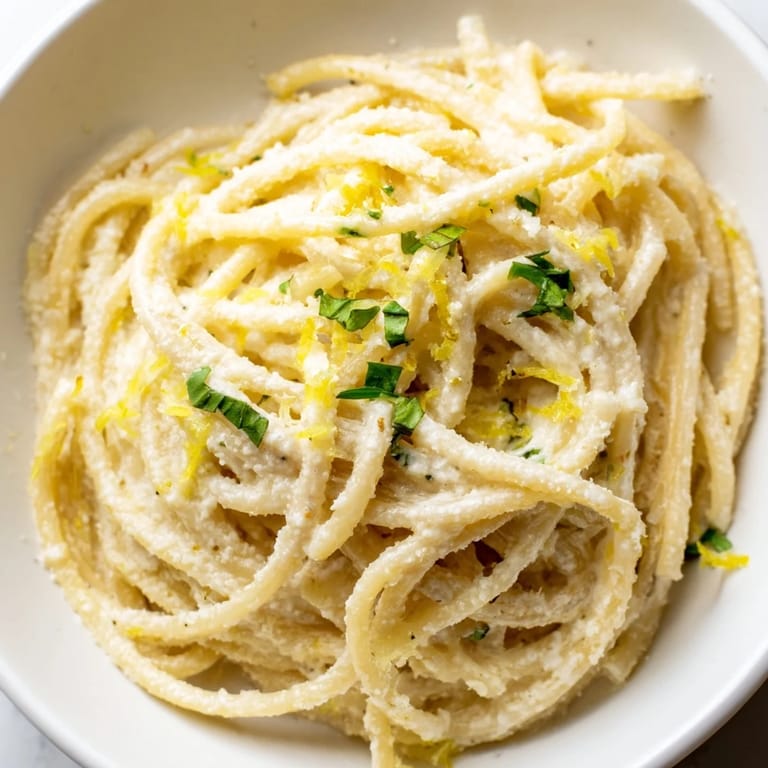
Save This pasta has gotten me through busy weeks and slow weekends, and it never feels like a compromise. I hope it becomes one of those recipes you reach for without thinking, the kind that feels like home no matter where you are.
Questions & Answers
- → Can I make this ahead of time?
This dish is best served immediately after tossing, as the sauce will thicken as it cools. However, you can prepare the ricotta-lemon mixture up to 2 hours ahead and store it in the refrigerator. Cook the pasta fresh just before serving and combine quickly.
- → What type of ricotta works best?
Whole-milk ricotta is recommended for its creaminess and richness. Avoid low-fat varieties, which can result in a thinner sauce. For an even richer texture, you can blend in a splash of heavy cream or mascarpone.
- → How do I prevent the sauce from becoming too thick?
The reserved pasta cooking water is essential for achieving the perfect sauce consistency. Add it gradually while tossing, adjusting as needed. The starch in the water helps the sauce cling to the pasta beautifully.
- → What vegetables pair well with this pasta?
Sautéed spinach, fresh peas, blanched asparagus, or roasted zucchini complement this dish beautifully. Add them to the ricotta mixture or toss directly with the cooked pasta for fresh color and nutrition.
- → Is this suitable for a vegetarian diet?
Yes, this is naturally vegetarian. However, always check Parmesan labels, as some traditional varieties use animal rennet. Look for vegetarian-certified Parmesan or substitute with other hard cheeses if needed.
- → Can I use a different pasta shape?
Absolutely. While spaghetti is traditional, fettuccine, linguine, or pappardelle work wonderfully with this silky sauce. Avoid tube pastas that don't allow the sauce to coat as elegantly.