 Save
Save My mum always said the best gifts came from the kitchen, not a shop, and this lemon drizzle cake became our Mother's Day tradition almost by accident. Years ago, I was frantically searching for something special to bake when I spotted a jar of edible flowers at the market, and suddenly the whole idea crystallized—bright, cheerful, and unmistakably homemade. The first time I made it, my kitchen filled with the most glorious lemon scent, and I knew I'd stumbled onto something she'd love. That cake has since appeared on her table every May, and honestly, it's become less about the recipe and more about the ritual of making something that says I was thinking of you while my hands were busy in the flour.
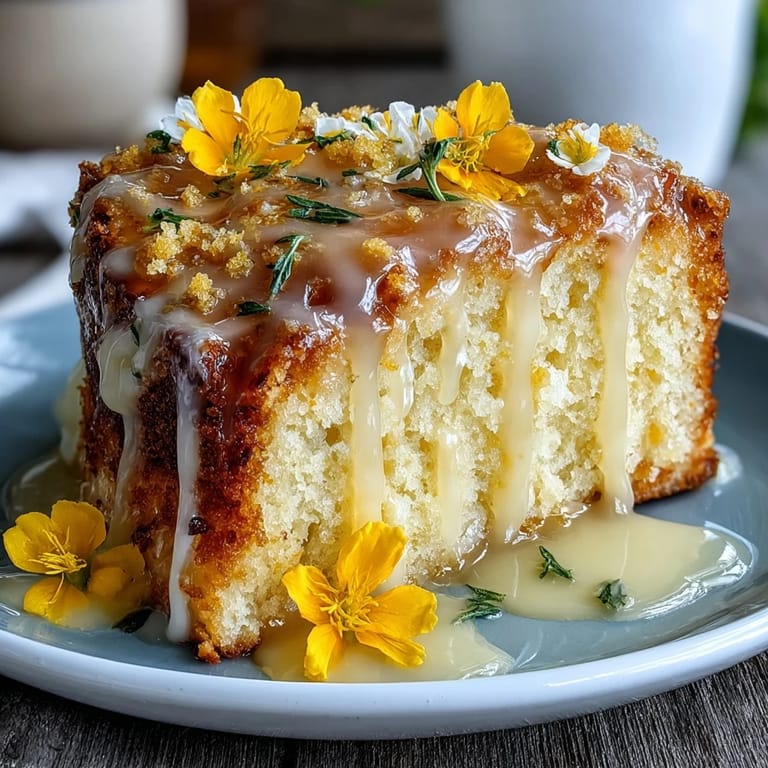
I'll never forget watching my sister's face when she walked into the kitchen and saw this cake sitting on the counter with fresh pansies scattered across the top—she actually paused mid-conversation to take a photo. That's when I realized this wasn't just a dessert; it was a moment maker. Now whenever someone mentions they're bringing a cake to a celebration, this is the one that gets requests.
Ingredients
- Unsalted butter (225g): Softened butter creates that impossibly fluffy crumb, so leave it out at room temperature for a good 20 minutes before you start—cold butter won't cream properly no matter how long you beat it.
- Caster sugar (225g): The fine granules dissolve quickly when creaming with butter, which is why regular granulated sugar never quite gives the same feathery texture.
- Large eggs (4): Room temperature eggs mix more smoothly into the batter and create better lift; cold eggs from the fridge can cause the mixture to curdle slightly.
- Self-raising flour (225g): This already contains baking powder, so resist the urge to add more or you'll end up with a cake that rises too aggressively and then collapses.
- Lemon zest (from 2 unwaxed lemons): Use unwaxed lemons because you'll be zesting them, and the oils in the zest are where all the bright flavor lives—don't bother with extract when fresh zest is this transformative.
- Whole milk (2 tbsp): Just enough to loosen the batter slightly without making it too wet; this is where precision actually matters.
- Salt (pinch): A tiny pinch enhances all the lemon flavor and prevents the cake from tasting overly sweet.
- Lemon juice (from 2 lemons): Freshly squeezed, always—bottled juice tastes tinny compared to the real thing.
- Icing sugar (125g for drizzle, plus 2 tbsp optional for dusting): The powdered form dissolves instantly into the lemon juice to create a glaze that soaks into the warm cake beautifully.
- Edible flowers (assorted violas, pansies, nasturtiums, rose petals): These must be specifically labeled as edible and pesticide-free; they're not just decoration but a promise that you've thought carefully about every detail.
Tired of Takeout? 🥡
Get 10 meals you can make faster than delivery arrives. Seriously.
One email. No spam. Unsubscribe anytime.
Instructions
- Set your oven and prepare the tin:
- Preheat to 180°C (160°C fan) / 350°F and grease your loaf tin generously, then line it with parchment paper so the cake releases cleanly. This step takes two minutes but saves hours of frustration later.
- Cream the butter and sugar:
- Beat them together in a large bowl until the mixture turns pale, fluffy, and noticeably lighter in color—usually about 3 to 4 minutes with an electric mixer. You'll hear the sound change from a heavy beating to an airy whisking, and that's when you know you've got enough air incorporated.
- Add the eggs carefully:
- Drop in one egg at a time, beating well after each addition before you add the next one. If the mixture starts to look slightly separated or curdled, don't panic; just add a spoonful of the flour and beat it in, which brings everything back together.
- Fold in the dry ingredients:
- Sift the flour into the bowl along with the lemon zest, milk, and salt, then fold gently with a spatula until just combined—this is where overmixing becomes the enemy because you want a tender crumb, not a tough one. Stop folding the moment you don't see any white flour streaks.
- Transfer and level:
- Pour the batter into the prepared tin and smooth the top with your spatula so it bakes evenly. A level top means it won't brown unevenly or sink in the middle.
- Bake until golden:
- Bake for 40 to 45 minutes, checking around the 35-minute mark so you're not surprised; a skewer inserted into the center should come out clean or with just a few moist crumbs, never wet batter. The top will be pale golden, not deep brown.
- Make the drizzle while the cake bakes:
- Stir together the fresh lemon juice and icing sugar in a small bowl until smooth, tasting as you go to decide if you want it more or less sweet. Some prefer it quite tart; others like it more balanced—there's no wrong answer.
- The magic poke-and-drizzle moment:
- Once the cake comes out of the oven, while it's still steaming, use a skewer to poke holes all over the top in a scattered pattern—don't be shy about it, you want plenty of access points for the drizzle to soak in. Then slowly pour the lemon mixture over the warm cake, letting each spoonful sink down into the holes before you add more; this is where the moisture magic happens.
- Cool in the tin:
- Let the cake rest in the tin as it cools completely so the drizzle has time to really set and soak through. Only then transfer it to your serving platter.
- Decorate just before serving:
- Dust very lightly with a bit more icing sugar if you like, then scatter your edible flowers across the top in whatever arrangement feels right. The flowers look loveliest when added at the last moment so they stay fresh and perky.
 Save
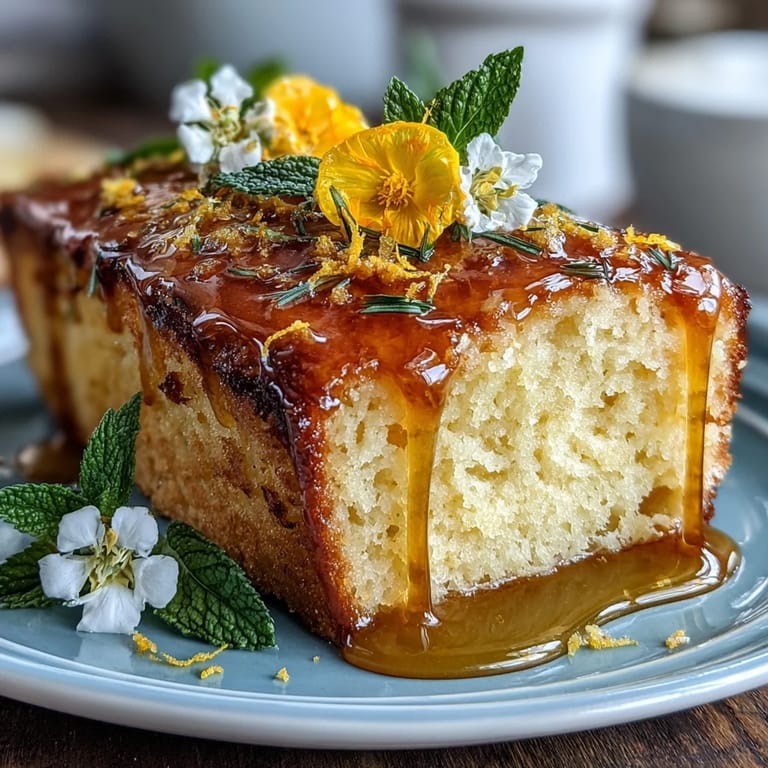
Save There's a moment just before serving when you step back and look at the cake with all those delicate flowers scattered across it, and you realize you've created something that looks like it belongs in a proper bakery window. That's when it shifts from being just a cake into being a gift, a memory, a reason someone will remember this day with a smile.
Why Fresh Lemon Makes All the Difference
I learned this the hard way when I once tried to make this recipe with bottled lemon juice because I was in a rush, and the result tasted vaguely chemical and one-dimensional. Fresh lemons have this complexity that bottled juice simply can't replicate—you get brightness, natural sweetness, and subtle floral notes that make the whole cake sing. Now I always buy extra lemons just for zesting and juicing, and the investment is worth every penny because it transforms the recipe from good to genuinely memorable.
The Art of Choosing and Storing Edible Flowers
Finding the right edible flowers was actually harder than I expected, but once I started visiting farmers markets and specialty grocers, I discovered violas are both beautiful and readily available, pansies come in stunning jewel tones, and nasturtiums add this peppery little surprise if you're brave enough to taste them. The key is buying them the morning of serving or the night before if you must, storing them loosely in a paper towel-lined container in the fridge, and keeping them completely dry because any moisture makes them wilt and lose their charm.
Serving Suggestions and Storage Tips
This cake actually improves slightly after a day in an airtight container as the moisture settles and distributes more evenly throughout the crumb, which is wonderful if you need to bake ahead. Serve it at room temperature with a dollop of whipped cream or crème fraîche to contrast the tartness, or alongside a cup of Earl Grey tea for an afternoon that feels properly civilized. Store it covered at room temperature for up to three days, and if somehow you have any left after that, it freezes beautifully (minus the flowers, which you'd add fresh before serving).
- Whipped cream or crème fraîche cuts through the sweetness and adds a luxurious richness that elevates each bite.
- A hot cup of tea alongside makes the experience feel intentional and celebratory, not rushed.
- If you're making this more than a day ahead, hold off on the edible flowers and add them just before anyone sees the cake.
 Save
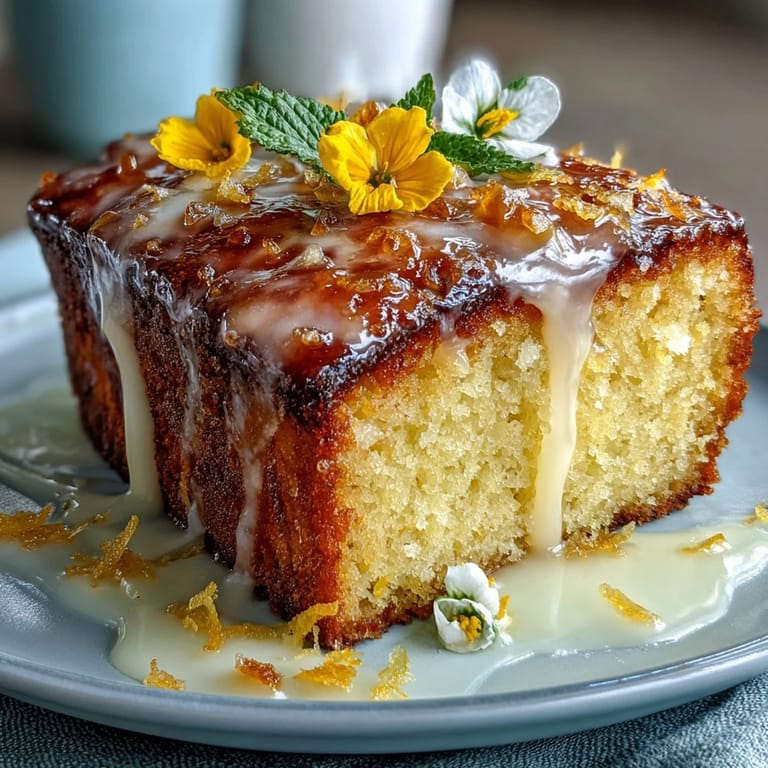
Save This cake has become my answer to the question of what to bring when you want to show up meaningfully without trying too hard. It's the kind of recipe that feels personal because you made it with intention, but foolproof enough that you can actually relax and enjoy making it.
Questions & Answers
- → How do I ensure the cake remains moist?
Use softened butter and don't overmix the batter. The lemon drizzle poured while warm also helps keep it moist and flavorful.
- → What kinds of edible flowers are best for decoration?
Safe options include violas, pansies, nasturtiums, and rose petals. Ensure they are pesticide-free and food-grade.
- → Can I make a gluten-free version?
Yes, substitute the self-raising flour with a gluten-free flour blend and add 1 tsp baking powder to maintain texture.
- → How is the lemon drizzle prepared?
Mix fresh lemon juice with icing sugar until smooth, then pour over the warm cake to soak in and enhance citrus flavor.
- → What is the best way to serve this cake?
Serve at room temperature with a dusting of icing sugar and optional whipped cream or crème fraîche for extra richness.